Ultimate Guide to Hair Waxing Hair Elimination Services: Say Goodbye to Unwanted Hair
The "Ultimate Guide to Waxing Hair Removal Services" provides a comprehensive summary of efficient hair removal methods. It highlights the importance of selecting the suitable type of wax customized to individual needs. Comprehending the waxing process and the required aftercare can improve results. Additionally, many misunderstandings about waxing persist. Investigating these topics can assist clients navigate their options and achieve silkier skin. What revelations might change their view of waxing?
Why Opting for the Ideal Wax is Vital for Your Hair Removal Journey
Opting for the proper wax is vital for an efficient hair removal experience. The kind of wax determined can notably influence both the relief throughout the procedure and the results generated. Different formulations, such as hard wax and soft wax, accommodate varying hair types and skin susceptibilities. Hard wax fastens to the hair rather than the skin, making it optimal for sensitive areas, while soft wax is often favored for larger body areas due to its capability.
In addition, the selection of wax can impact the persistence of hair-free skin. A high-quality wax can lower the possibility of ingrown hairs and skin irritation, encouraging a smoother finish. Additionally, some waxes contain soothing ingredients that can calm the skin post-treatment. Ultimately, recognizing these factors allows individuals to select a wax that corresponds to their specific needs, enhancing their overall hair removal journey.
Finding the Most Suitable Depilation Service Matching Your Expectations
Choosing the suitable waxing service demands careful evaluation of multiple factors. Your skin type has a vital role in determining the most appropriate technique, while learning about various waxing techniques can improve the general experience. Furthermore, evaluating the credentials of professionals guarantees a secure and successful hair removal process.
Think about your skin condition before purchasing skincare products. Multiple skin types need tailored formulations. Oily skin thrives with thin products. Parched skin demands deep moisturizers. Reactive skin requires calming and gentle options.
Understanding one’s skin type is necessary for an successful waxing experience. People with reactive skin should opt for gentle wax formulations, such as hypoallergenic or low-temperature waxes, to minimize irritation. Conversely, those with average skin may be able to use standard waxes, which can effectively remove hair without negative side effects. Oily skin types may benefit from malleable waxes that attach more firmly, while dry skin may require skin conditioners to stop discomfort during the process. Additionally, individuals with skin disorders like eczema or psoriasis should consult with a professional to select the safest options. By selecting a waxing service tailored to one’s specific skin type, clients can achieve excellent results while reducing chances of adverse reactions.
Explore Depilation Techniques Analyzed
Different hair removal approaches serve various hair types and body areas, making it important to match the method with individual needs. Hard wax, often selected for fragile see the full story areas, grips hair rather than skin, minimizing discomfort. Soft wax, meanwhile, is productive for larger areas like legs and arms; it calls for a cloth strip for removal. Sugaring, a less processed choice, uses a sticky paste made from sugar, lemon, and water, resonating with those seeking organic options. For coarse hair, a combination of techniques may be recommended to guarantee thorough removal. Understanding these distinctions helps clients choose the most suitable waxing service, enhancing their overall experience and satisfaction with the results.
Service Provider Standards
Selecting the right waxing service is vital for reaching ideal results and ensuring a comfortable experience. Clients should highlight service providers having adequate training and licenses in waxing techniques. Proficient professionals comprehend skin types and hair growth patterns, helping them to customize services efficiently. In addition, checking for licenses and compliance with health regulations is important for well-being and hygiene. Feedback and referrals from previous clients can give beneficial understanding into a provider's expertise and customer service. It is also helpful to assess the salon's condition and atmosphere, as an warm environment creates a favorable experience. By reflecting on these requirements, individuals can with certainty opt for a waxing business that meets their specific needs and choices.
What Happens During Your Waxing Appointment?
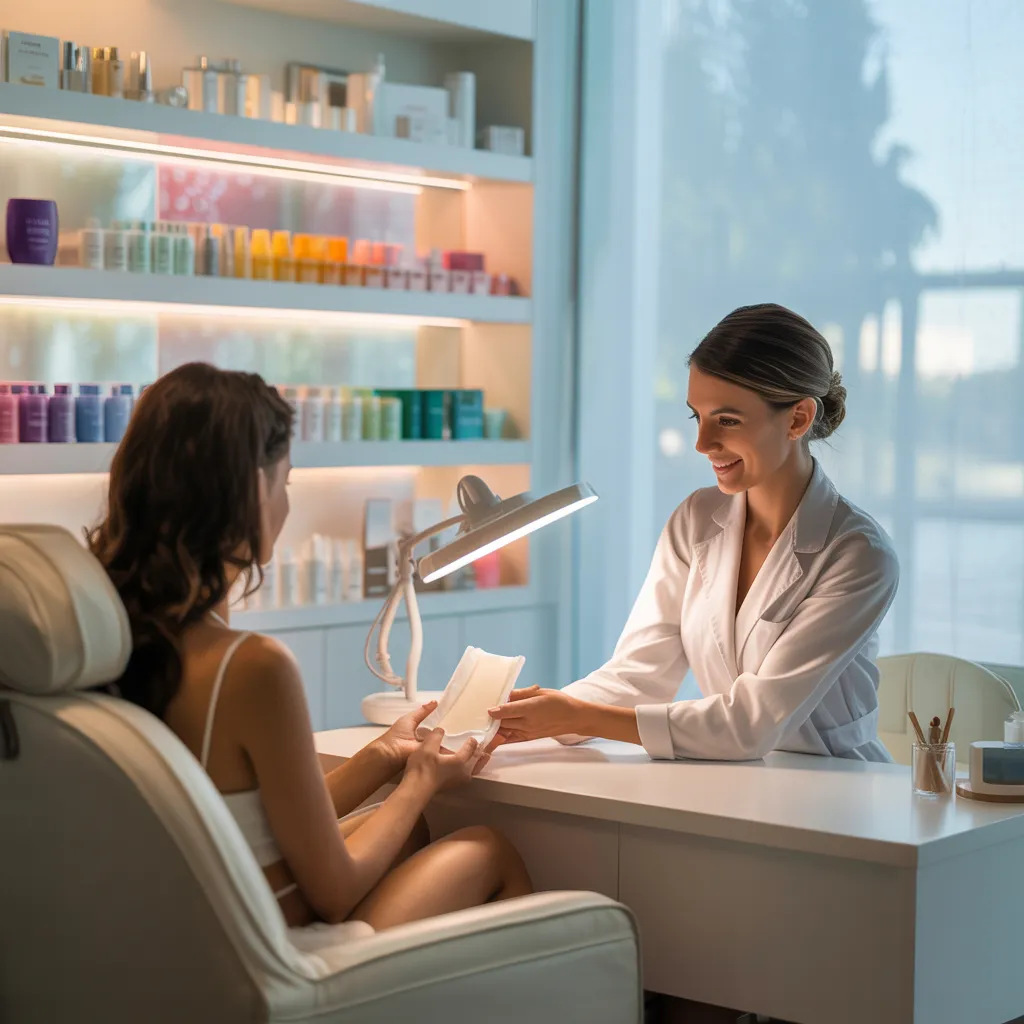
During a hair removal session, customers commonly start with a pre-waxing consultation to address their skin type and any worries. This guarantees a tailored approach to the waxing procedure. After the service, specialists provide aftercare guidance to maximize benefits and reduce inflammation.
Pre-Waxing Review Workflow
What can one look forward to from a pre hair removal consultation? During this initial meeting, the esthetician gathers essential information to customize the waxing experience. Clients are asked about their waxing history, skin sensitivities, and any medications that might influence the process. The esthetician will describe the types of wax available and suggest the best option based on individual skin types and hair conditions. In addition, the consultation covers a discussion of potential side effects and aftercare instructions. This also serves as an opportunity for clients to express any concerns or ask questions about the procedure. Overall, the pre-waxing consultation aims to guarantee that clients feel comfortable and informed before starting the waxing service.
Post-Waxing Care Tips
After the pre-waxing consultation, the waxing appointment begins, focusing on the actual procedure. Following the waxing session, proper post-waxing care is essential to guarantee skin health and comfort. Clients should avoid hot baths, saunas, and vigorous exercise for at least 24 hours to minimize irritation. It is also advisable to refrain from using exfoliating products or aggressive substances on the treated area for several days. Moisturizing with a gentle lotion can help soothe any redness or sensitivity. Additionally, wearing loose-fitting clothing can prevent friction and discomfort. If any unusual reactions occur, consulting a specialist is recommended. By adhering to these post-waxing tips, clients can achieve smoother skin while minimizing potential side effects.
Healing Advice to Keep Radiant Skin
Vital aftercare is crucial for obtaining smooth skin after waxing hair removal. To minimize irritation and ensure ideal results, individuals should steer clear of warm baths, saunas, and intense workouts for at least 24 hours post-wax. This helps avoid inflammation and enables the skin to heal.
Using a calming moisturizer or aloe vera gel can nourish the skin and minimize redness. It is also important to steer clear of using harsh exfoliants or fragrances in the days after waxing, as these can inflame sensitive skin. Instead, choosing gentle, non-comedogenic products will promote healing.
In addition, proper hydration supports skin elasticity and complete wellness. Wearing loose-fitting clothing helps reduce friction and discomfort in the waxed region. Frequent moisturizing can maintain smooth skin and prevent ingrown hairs. Following these aftercare tips ensures a pleasant experience and maintains the benefits of waxing.

Top 5 False Beliefs About Waxing: What You Ought to Know
Is waxing hair removal truly as uncomfortable as many think? This popular misconception indicates that waxing is an agonizing experience. In reality, while there may be some discomfort, many individuals find it manageable, especially with regular sessions. Another false belief is that waxing leads to more hair regrowth; however, it actually damages hair follicles over time, resulting in finer regrowth. Some also think that waxing is only suitable for women, but men are increasingly opting for waxing services for various body areas. Additionally, there is a belief that waxing should only be done in salons, yet at-home kits can be successful when used correctly. Furthermore, many assume that waxing causes skin damage, but when performed properly, it is a secure hair removal method with minimal side effects. Comprehending these myths can help people make informed decisions about their hair removal options.
Common Misconceptions and Falsehoods Regarding Waxing
Why do a lot of individuals have misconceptions about waxing? Many persons falsely think that waxing always brings on painful experiences, not understanding that pain intensity vary according to each person's pain tolerance and methods of waxing. Another frequent myth is that after waxing hair is thicker; truth is, frequent waxing can cause thinner and fewer hairs eventually. Also, some folks think waxing is only suitable for women, but it has become increasingly favored by men across different parts of the body.
Many people mistakenly believe that waxing effects last only a few days, when in fact, results can persist anywhere from three to six weeks. Misunderstandings around skin reactivity also continue, as many think waxing is unsafe for sensitive skin, while proper aftercare can minimize irritation. Correcting these false beliefs is vital for making thoughtful decisions about waxing as a hair removal option.
Frequently Requested Questions
How Long Do Waxing Results Generally Persist?
Hair removal through waxing generally endures three to six weeks, depending on personal hair growth cycles and the area treated. Regular waxing may bring about finer hair regrowth over time, enhancing overall results and span.
Can I Have Waxing Done if I'm Expecting?
Waxing during pregnancy is generally considered safe, but skin reactions may worsen. Pregnant individuals should consult their health professional before proceeding, ensuring that any selected approaches are suitable for their specific circumstances and overall health.
Is Waxing Secure for Irritable Skin?
Waxing might be secure for sensitive skin, yet care is important. Testing a limited area first is recommended to evaluate reactions. Choosing soft products and consulting a professional can help curb irritation and discomfort.
What Should I Wear to My Waxing Appointment?
For your waxing appointment, selecting relaxed, breathable dress is advisable. This aids in stop inflammation post-waxing. Avoid restrictive clothing or substances that could chafe, ensuring a more pleasant interaction throughout and after the visit.
What Frequency Is Best for Getting Waxed?
Normally, a person should have waxing treatments every four to six weeks. This pattern enables hair to develop to an appropriate length for successful hair removal while lessening discomfort and preserving smooth skin. Individual hair growth rates may differ.